
 Instragram

Hache galería (Buenos Aires) presents a solo show dedicated to Santiago García Sáenz (Buenos Aires, 1955–2006), one of the most significant painters of his generation, in the year that marks the twentieth anniversary of his death.
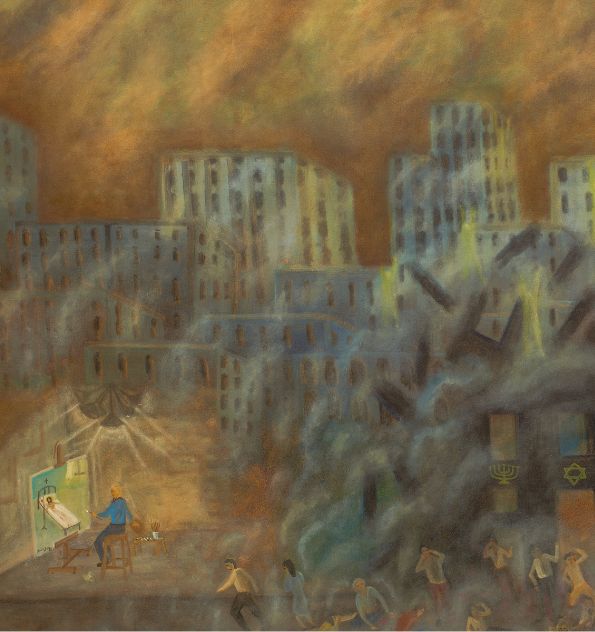
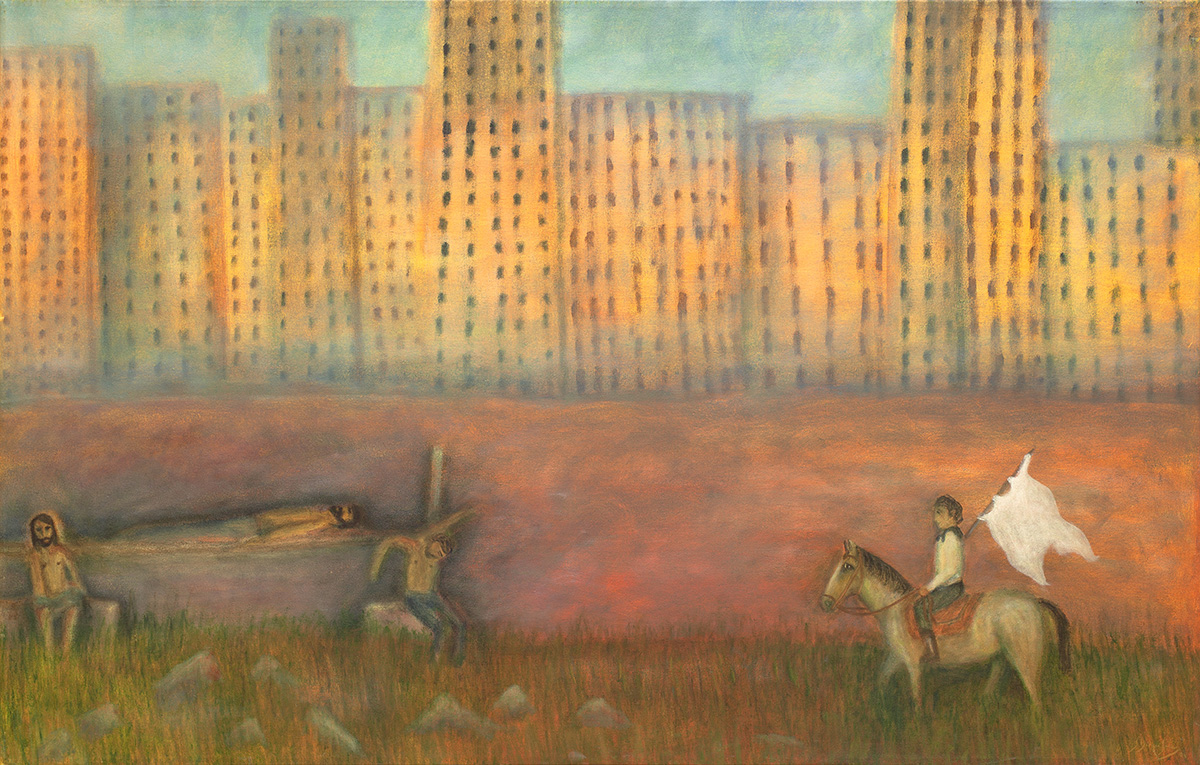
A central figure in Argentine painting of the 1980s and 1990s, García Sáenz developed a singular language that wove together spirituality, popular culture, and Latin American tradition. His work —charged with symbolic weight and social commitment— brings together religious imaginaries, scenes from everyday life, vulnerable bodies, marginal figures, and anonymous heroes, engaging themes such as sexual intolerance, symbolic violence, and HIV/AIDS. Often read as a “religious painter” or reduced to the label of “naïf,” his work exceeds these classifications. Faith appears in his canvases less as dogma than as a terrain of contradiction, desire, guilt, care, and community. Through compositions of great narrative and affective power, García Sáenz explores how the sacred coexists with the domestic, the popular, and the dissident —opening a zone of friction between Catholic iconography, personal memory, and the politics of the body. His work is held in the collections of institutions such as the Solomon R. Guggenheim Museum (New York), the Centre Pompidou (Paris), MALBA, Museo Moderno, and the Museo Nacional de Bellas Artes (Buenos Aires), among others.
The selection of works proposed for ArPa articulates three central axes of his practice: the construction of a Latin American sensibility traversed by the popular and the devotional; the martyrdom of dissident bodies; and nature as a space of freedom, refuge, and redemption. This presentation functions simultaneously as homage and prologue —anticipating a commemorative exhibition at the gallery and a broad program of events around his work throughout 2026.
We believe these dimensions resonate directly with debates active in the Brazilian scene —between religiosity and politics, the memory of the AIDS crisis, LGBTIQ+ struggles, and the relationship between art and peripheral communities— opening a fertile field of dialogue between Buenos Aires and São Paulo, and an opportunity to bring his work into the Brazilian market and critical conversation.
This solo show is part of the long-term commitment Hache has maintained since 2013 to the revision and reinterpretation of historical trajectories, alongside its work with living artists. The gallery is drawn to practices that engage with the political, social, and cultural transformations of contemporary life, and operates in ongoing dialogue with institutions, researchers, and collectors so that these bodies of work may circulate and find resonance both locally and internationally.